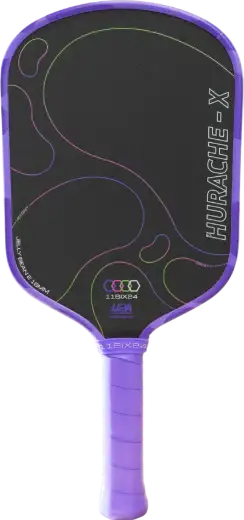
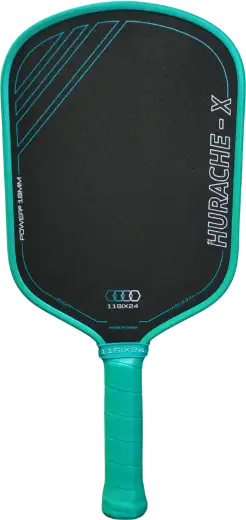
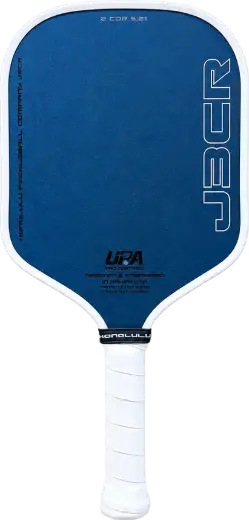
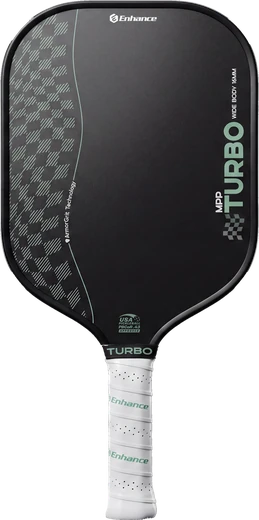
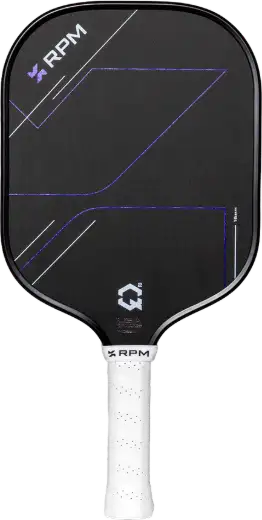
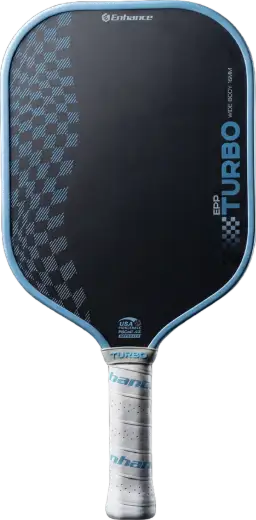
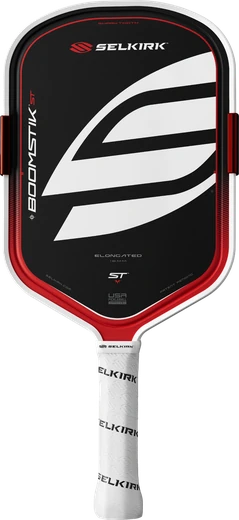
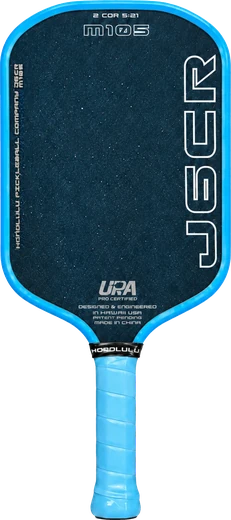
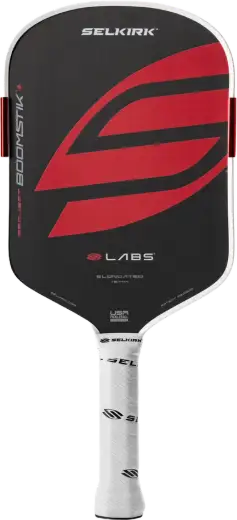
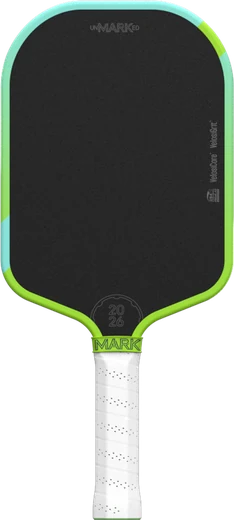
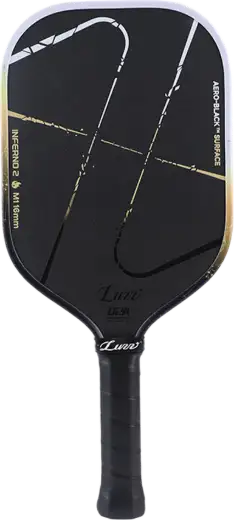
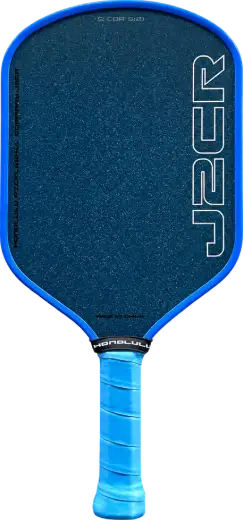
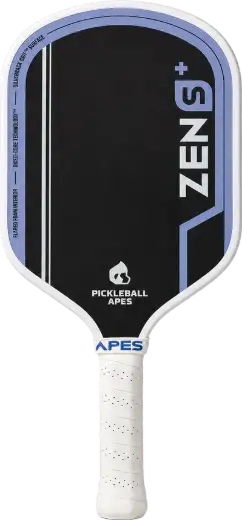
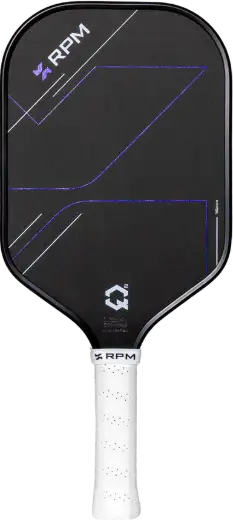
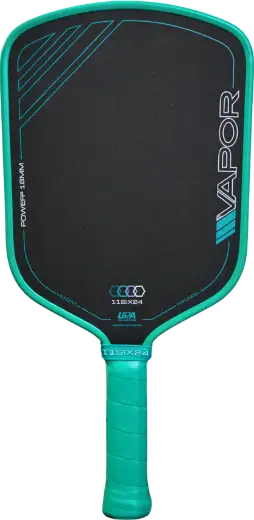
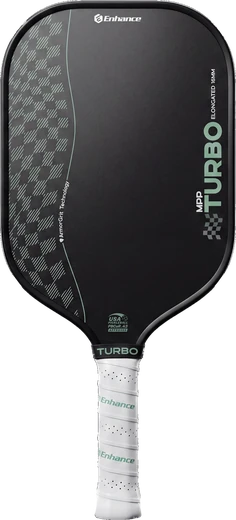
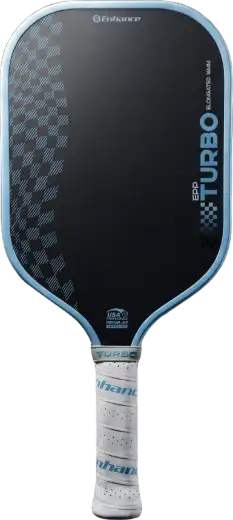
A widebody is the most forgiving shape you can buy, and it isn't close. All 16 paddles I've tested with a sweet spot of 90 or more are widebodies. The average widebody scores 83 for sweet spot and 76 for control. An average hybrid scores 72 for sweet spot and 71 for control, and an average elongated scores 52 for sweet spot and 45 for control. The widebody is steadier on mishits too, since nearly half the widebodies I've tested have a twist weight of 7.0 or more, against only four hybrids and one elongated.
The old knock on the shape was power, and the foam core is what changed that. The full foam widebodies I've tested have an average power score of 76.5, far more than the rest, at 50 for power. The hard hitters keep their forgiveness, too. Of the 81 paddles I've tested that score 80 or more for power, the 13 widebodies keep an average sweet spot of 86. The hybrids in that group keep a sweet spot of 74, and the elongateds keep a sweet spot of 52. Only six widebodies I've tested score 85 or more for power, and four of them are on this list.
What you give up is reach. The average widebody is 16 inches long, against 16.5 inches for an average elongated, and you notice that on lobs, overheads and stretched dinks. It's also the least popular shape, because a lot of players feel weird with one and want the reach and the more fluid swing of a hybrid or an elongated. That shows up in my testing, too, since only about a quarter of the paddles I've tested are widebodies. But it's the quickest shape to swing, with an average swing weight of 108.8 against 117.5 for an elongated, and if you play doubles at the kitchen and miss the center more than you'd like, no shape helps you more.

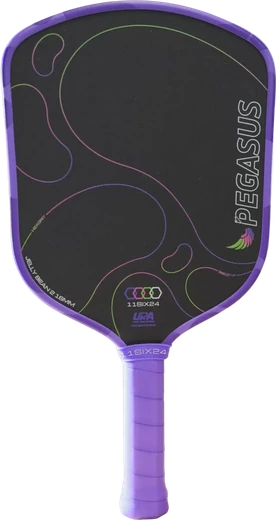
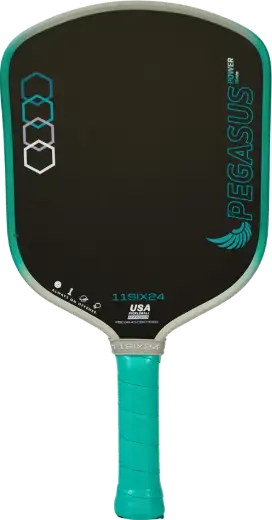
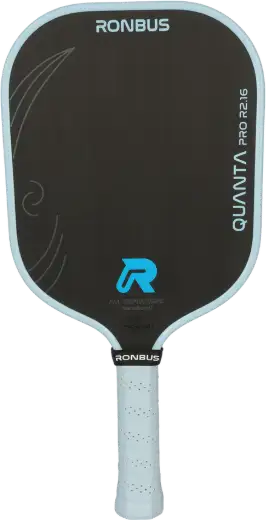
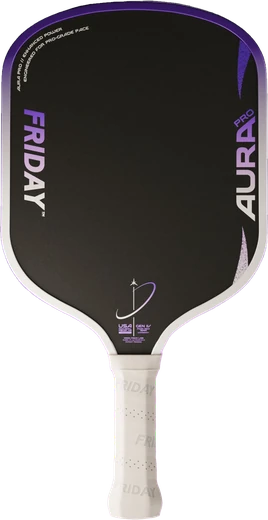
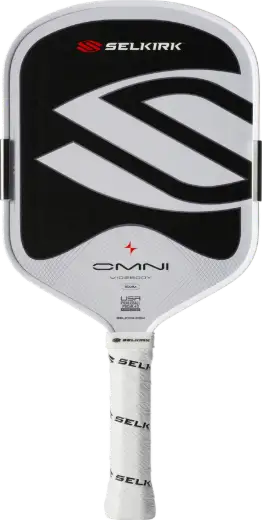
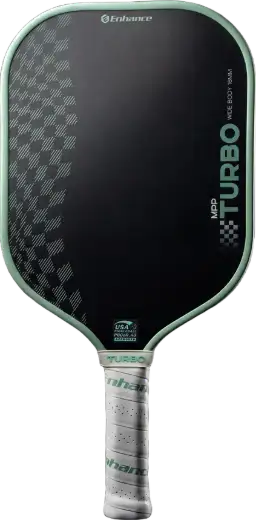
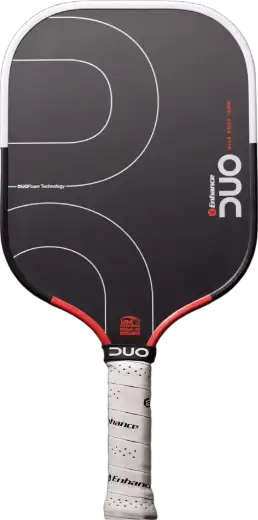
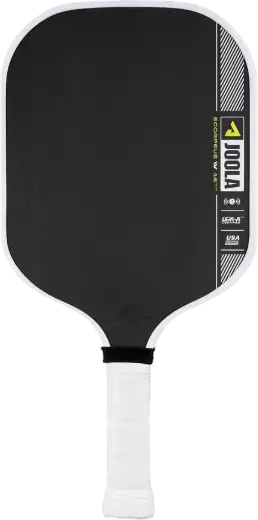
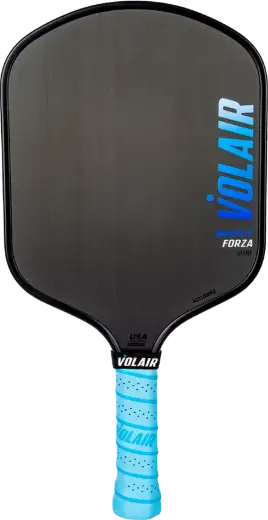
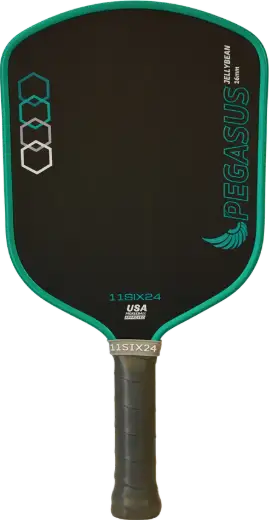
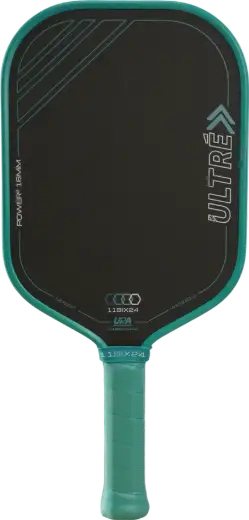 No. 1
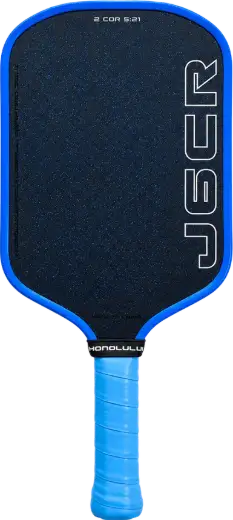 No. 2
 No. 3
 No. 4
 No. 1
 No. 2
 No. 3
 No. 2
 No. 1
 No. 3
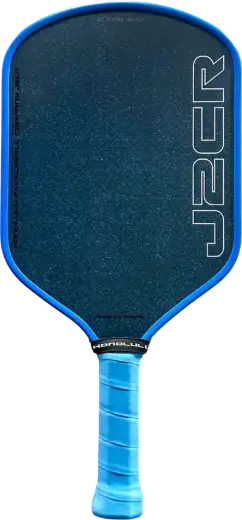 No. 1
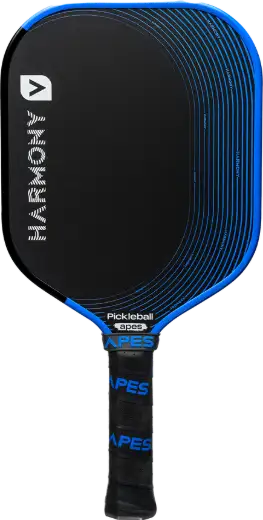 No. 3
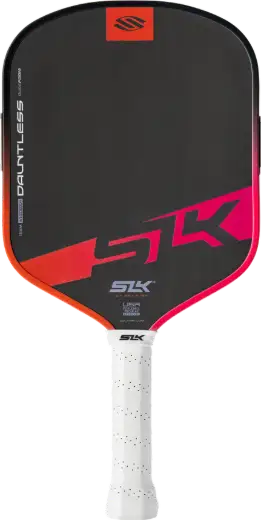 No. 4
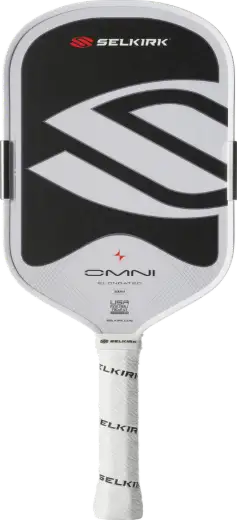 No. 3
 No. 4
 No. 1
 No. 4